Global Defense Procurement Patterns Set to Change Massively
It seems likely that the US share of the global defense marketplace will begin to peak within the next few years, and then enter a period of decline.

US retention of its defense industrial base in the post-Cold War period — at a time when its civil industrial base was being “offshored” around the world — could arguably have been a cause of the US’s retention of its strategic leadership and global economic power during the current era of realignment.
In other words, the defense industrial base, sacred to the security of the US, retained much of its capacity at a time when the civil industrial base was being destroyed in favor of foreign sourcing of products.
That particular trend has peaked, however.
While the US is attempting to reindustrialize nationally with new technologies, what is now being seen is a fracturing of the international defense and aerospace marketplace in ways not seen since at least the 1970s. The US can now no longer take it for granted that it will dominate the global defense marketplace with new orders from, say, 2027 onwards.
US aerospace and defense firms generated some one-trillion dollars in economic activity in FY 2024-25, and defense and aerospace exports during that period generated $138.6-billion in foreign exchange earnings.1
"Old alliance structures were no longer 'fit for purpose'."
More significantly, the export deals cemented a long-term strategic dependency on the US as far as client states were concerned, and contributed — particularly since the 1980s — to the abandonment by many states of independent defense/aerospace platform control and their integration into, and dependence on, the US defense and technological base.
This automatically translated into a shared perception of common threats, defined almost entirely by the US, and alliances geared around US strategic leadership.
The global strategic balance, however, was evolving and the alliance structures which had evolved since the end of World War II had not evolved to remain relevant. They were already moribund, to a large extent, by the time the second US Administration of President Donald Trump began in January 2025.
And President Trump came back into office with the explicit recognition that the old alliance structures were no longer “fit for purpose”, and needed to be either reworked or abandoned. That included NATO, the principal US military alliance structure.
This coincided with the reality that, by 2026, the US economy represented some 25 to 26 percent of the global economy of some $30-trillion. In 1960, the US commanded 40 percent of the global economy, measured in straight GDP terms.
Measured in GDP by Purchasing Power Parity (PPP), the US in 2026 represented 14.54 percent of the global economy, according to the International Monetary Fund (IMF), less than the People’s Republic of China (PRC) at a nominal 19.89 per-cent, if official statistics could be believed.2 Which, arguably, they cannot.

What is significant, however, is that while commanding, say, only half the global economy it dominated in 1960, the US had retained its dominance of the global strategic influence and defense marketplace well into the 21st Century. This had to reach a breakpoint.
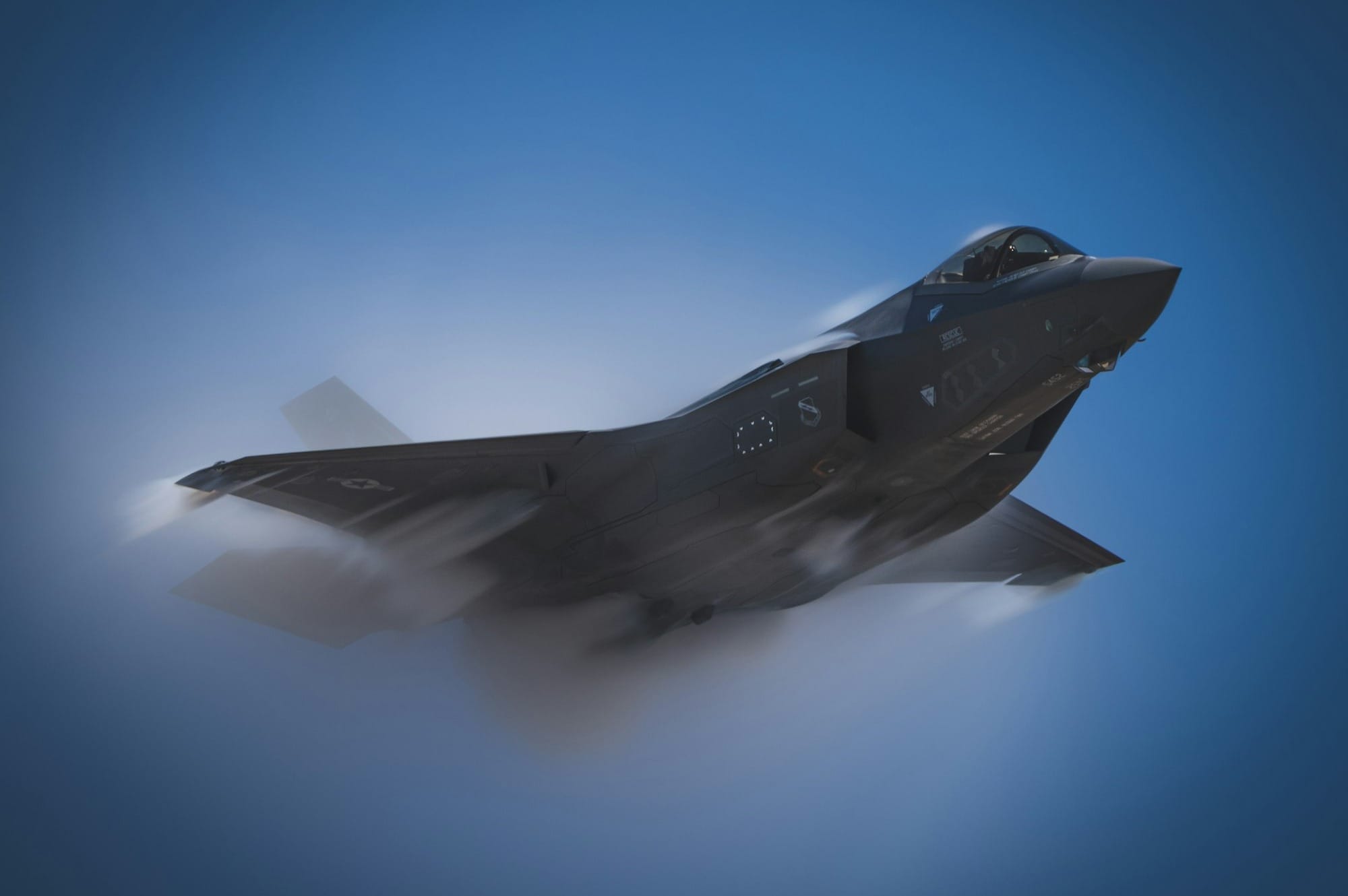
Where we have reached today is that (a) the global alliance structures were moribund or in disarray by 2025-26, largely because of the evolving global situation; (b) the US Trump Administration pointedly disavowed most of the US’ traditional allies, causing them to reevaluate for themselves their security situations and defense priorities; and (c) the major shared defense industrial programs, such as the F-35A/B/C combat aircraft, or the Lockheed Martin C-130 Hercules transport aircraft family (among many others), were reaching the apogee of their program lives.
This was an unusual confluence of trends, and, by 2026, the US was preparing for a range of new and significant defense programs and hinting at the creation of new alliances.
Comparatively, the main strategic counterweights of the US — Russia, the PRC, and the European Union — themselves failed to build important alliance structures of their own. After the Cold War, in, say, 1991, it was surprising that the West itself was able to sustain strategic alliances, given that the threat perception should have allowed for a relaxation or reorientation to some degree in the probability of new and imminent threats.
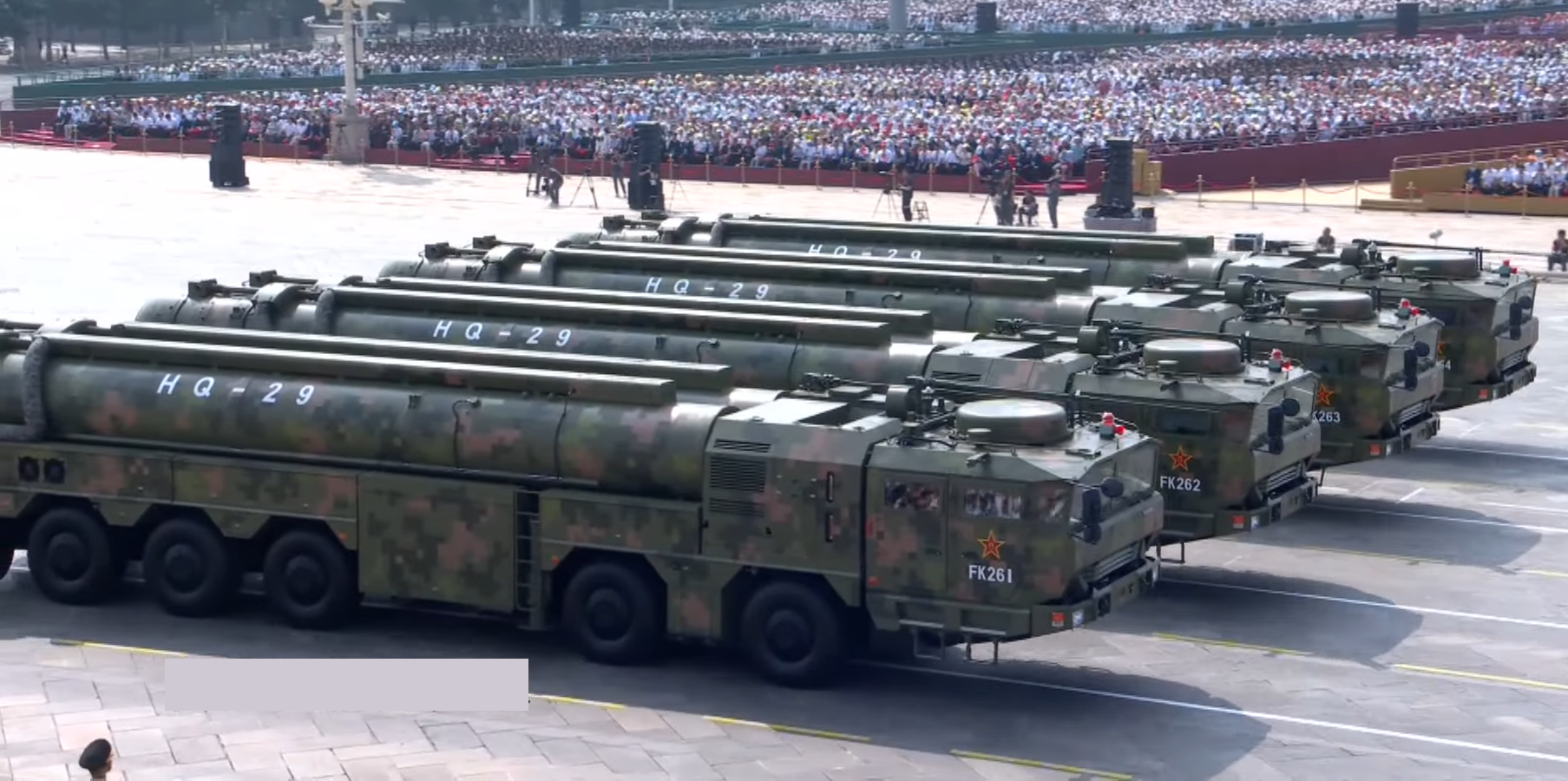
The behavior of the Communist Party of China (CCP), however, was sufficiently predatory that the US was able to continue much of the Cold War rhetoric which had been based around the USSR and the Warsaw Treaty Organization (WTO) or the old “communist bloc”. This enabled a continuation of the status quo in terms of defense evolution and alliance continuation.
Eventually, however, even as the PRC displayed its feet of clay in strategic terms, the unity of purpose of the old Western alliances began to fray, and US exhortations to increase defense spending levels began to fall on deaf ears, particularly because the threat environment was never articulated in clear terms by Washington.
The “threat”, both in technological and geopolitical terms, was relatively clear to the US, but increasingly less clear to the old allies of the US, including Canada, with which the US shared its longest land border.
What 2025-26 indicated was a sense that, if the US did not value its old allies, then those “old allies” needed to become unshackled from old defense technology dependency on the US, and to achieve a degree of national security flexibility which they had not considered since World War II.
This had not, by mid-2026, become a uniform tendency among historical US allies. Some, like Australia, sought greater freedom of action politically from the US, but retained an unbroken framework of defense technology and military interoperability.
Overall, though, while US defense and aerospace exports continued to grow, it was evident that many states were making decisions, or seeking the opportunity, to diversify their sources of defense materiel dependency, to determine their own levels of national security spending, and to identify for themselves their own threat scenarios.
With significant difficulty, many of the “old allies” were diversifying their military procurement sources and were engaging in the reconstruction of their defense industrial bases, many of which had improved in scientific terms through their participation in shared US programs (such as the F-35, etc.).
Türkiye, for example, had pursued the creation of an advanced defense industrial and aerospace base, as independent as possible from the US and European suppliers. The Republic of Korea, similarly, had pursued the development, independently, of advanced weapons systems which were interoperable with, but not dependent on, US systems.
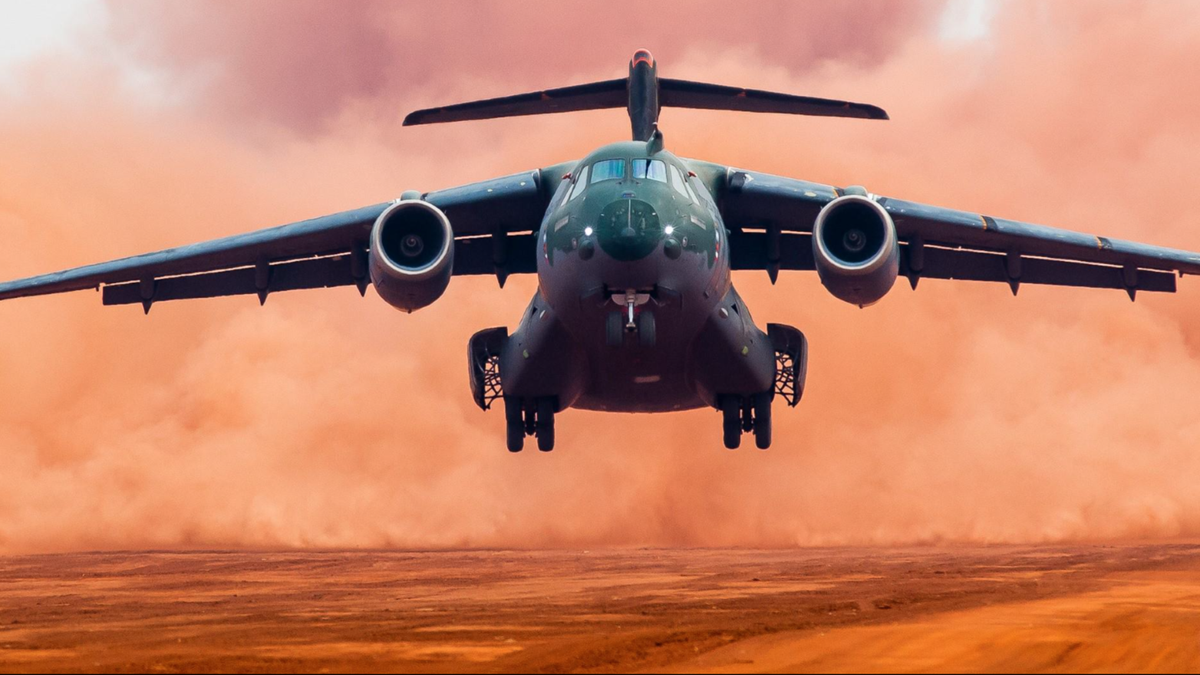
Brazil, which has enjoyed a fluctuating strategic relationship with the US, began making inroads into the global defense aerospace marketplace. Its Embraer C-390 twin-jet medium transport aircraft had, by 2026, made significant inroads into the global military market, and was competing on more than equal terms with Lockheed Martin and even Europe’s Airbus A-400 for a new 60-aircraft contract with the Indian Air Force (IAF).
What Does All This Portend?
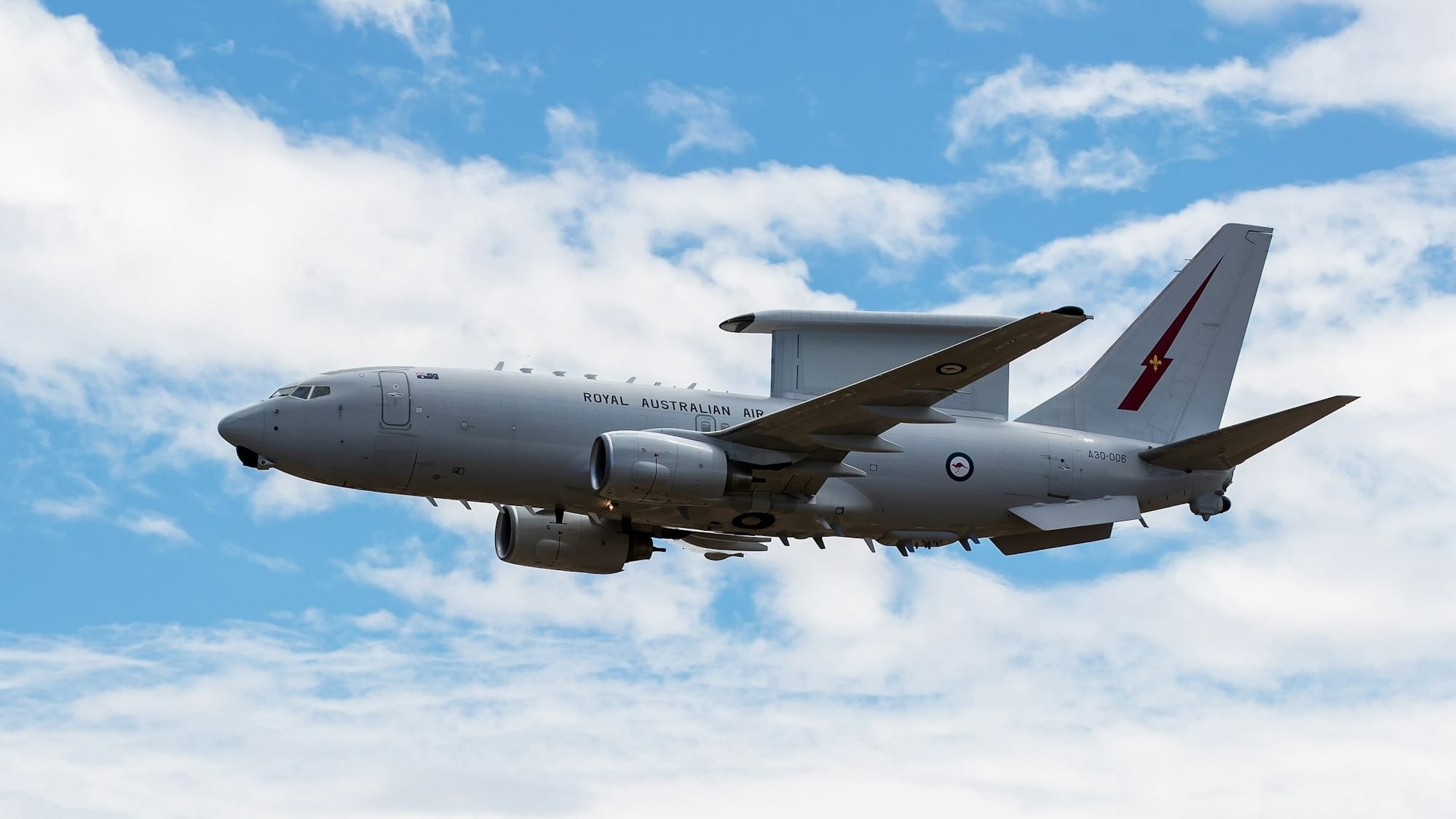
Unless the strategic framework changes, it is probable that the new-generation US combat aircraft programs will not reach the economies of scale which guaranteed the success of the F-16 family of fighters or the F-35 family. Already, it is evident that such US programs as the Boeing KC-46 tanker-transport, or the Boeing E-7 Wedgetail airborne early warning and control (AEW&C) have not been able to attract a large market share globally (or even achieve success in the US marketplace).
Certainly, new technologies are replacing the old types of systems, such as — in various ways — manned combat aircraft. Battlefield management, until recently dependent on manned, aerial command, control, and communications (C3) aircraft and systems, can now be handled with a combination of remotely-managed space and unmanned aerial vehicle systems.
Even in manned combat aircraft engagements, outcomes will increasingly be determined by lower-cost unmanned companion combat aircraft and sensors.
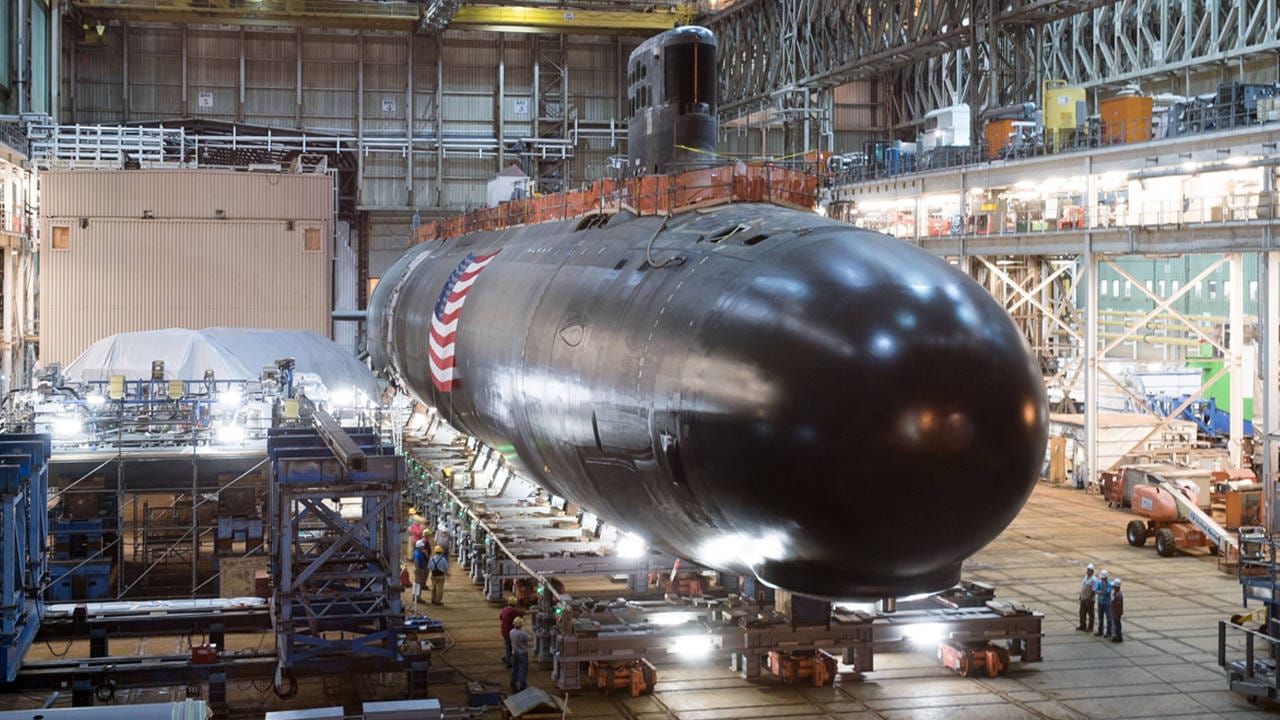
The same is becoming true of battlefield ground operations and naval engagements. Australia, for example, which has remained a loyal partner with the US in terms of military operations and systems and doctrine commonality, has continued to commit to US integration, particularly on the acquisition of nuclear propulsion technologies and overall submarine purchases, despite the fact that the global strategic framework will have changed dramatically by the time these programs come to fruition.
What this is leading to, in other words, is a newly-formed defense industrial base, intertwined with civil environments, in which an entirely new infrastructure is being developed, not just in the US, but globally.
Reindustrialization is now not typified by a revival of metal bending, necessarily, but with the use of computerized 3D printing and artificial intelligence (AI). This has its own demands for certain types of metals and energy sources. Certainly, the US is attempting to dominate this arena by pre-emptively controlling the marketplace for rare earths and their processing, and so on, so that the US retains its domination of the new-age products.
But it is a situation — a breakpoint in the economic and industrial framework, coupled with the breakpoint in strategic relationships and trade patterns — which allows nation-states to redefine their priorities and alliances.
It is significant, too, that the evolution of new technological priorities has been built around rare minerals essential to battery technology and the perceived impact that this requirement will have on the defense industry, artificial intelligence, and quantum computing. All of this determines an anticipated additional requirement for an exponential rise in energy demand.
"The future defense marketplace will also include...a greater emphasis on novel software approaches to addressing threats."
Much of this may be open to debate, however. The break-up of autocratic governance in many countries has already spelled an end to a mandated switch from internal combustion engines to electric vehicles (EVs). It was the anticipated transformation of the market for batteries for EVs which required an increased commitment to processed “rare earth” products, and the new energy demand.
Coupled with this is the reality that the world is reaching an apogee in its overall population growth (and that population peaking has already occurred in much of the world’s advanced economies), signaling a possible reduction in demand in the civil sector.
Moreover, the assessment of the linear growth of the demand for energy, new battery technologies and products, is clearly out of step with the fact that the world is entering an age of economic uncertainty, and possibly a weakening of the historically unparalleled stability of one currency, the US dollar, as a global trading instrument.
These are factors in the outlook for the global defense and aerospace marketplaces. However, it is clear that the issue of trust between allies, and common perceptions of threat and response and commonality of purpose will determine the framework of the defense marketplace going forward. Particularly for the US.
The future defense marketplace will also include a lower dependence on commonality of platforms (land, air, sea/undersea, and space), and a greater emphasis on novel software approaches to addressing threats.
"Are we merely transferring our assets to the cause of refinements in weapons systems...but which do not represent improvements in the human condition?"
Each new generation of manned weapons platforms raises the question as to whether this will be the last manned system in whatever arena is addressed. This has partially been evidenced by the reality that the mix of manned and unmanned systems has become significant for budgets and manpower requirements.
US attempts to significantly control the data processing semiconductor technology are, indeed, likely to be critical in the future defense marketplace, and this includes control of the materials needed for those semiconductors.
The key factors in determining the future of the defense and aerospace marketplace include, then, realistic assessments of global (and therefore national) population levels; the global economic condition; the sense of urgency in determining whether pacts or alliances are vital (or, relatively, how powerful?) for nation-states to band together; and the sense of trust/ distrust which can be engineered between societies, and so on.
We saw, in the 20th Century and the early 21st, an exponential growth in national and per capita wealth. Debate needs to occur as to whether that has peaked, and whether, in fact, the nominal growth in wealth has represented real growth in the human condition, or whether the tools of measurement have merely been recalibrated.
Are we merely transferring our assets to the cause of refinements (“progress”) in weapons systems and tools to reach into space but which do not represent improvements in the human condition?
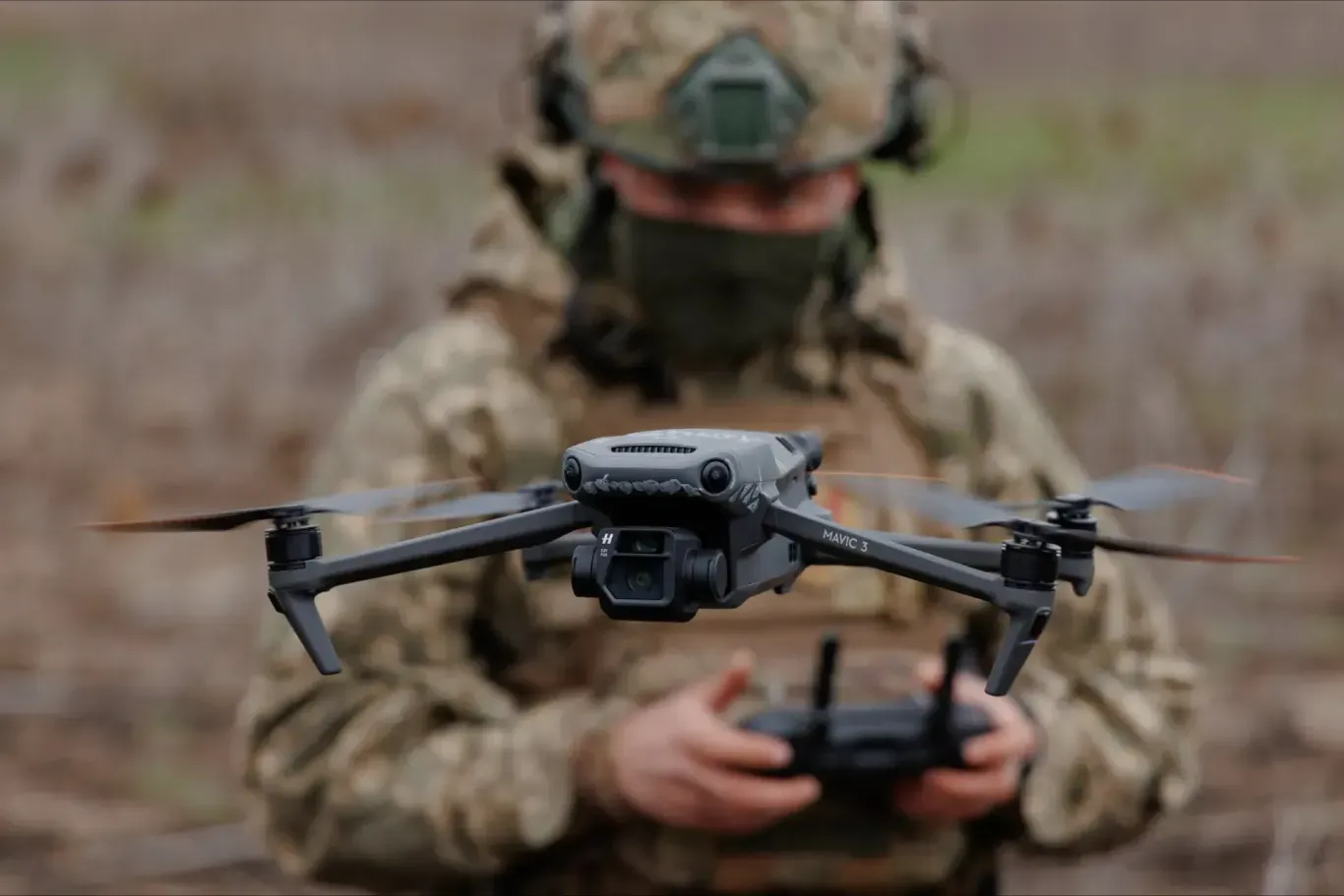
Again, all of this is in flux in the 2020s and 2030s. Our view on how wars are conducted — whether, indeed, they are kinetic or non-kinetic — is under constant review, and has changed substantially since the Russia-Ukraine conflict (2022-) and the US/Israel-Iran conflict (particularly 2025 and 2026) got underway. Less discussed are the changes we are seeing in the conduct of non-kinetic conflict in the post-Cold War era.
If we do not know the threats which will emerge, nor the technologies which will be effective, nor the condition of state and global economies, nor even how levels of trust or distrust will emerge between states, how can we determine the shape of defense budgets and system priorities? Every war begins as a “come as you are war”, but quickly transforms into a war of rapid innovation. This has been particularly true since the start of the 20th Century.
But it is this unique level of economic, strategic, and technological uncertainty which governs thinking in the 2020s. And while the US has spearheaded the rapid abandonment of old and patently outworn alliances since 2025, it is the US defense industry which will pay the price in the coming few years with regard to market share.
This will not necessarily be based (or solely based) on the quality of US defense/strategic technologies, but rather on the perception of states as to whether they felt sufficiently trusting of the US to enter long-term dependencies on the US by participating in major defense programs.
Ultimately, this translates into whether we eventually move back into a multi-polar world which — in the coming years — can no longer allow smaller states to ignore global or great powers, or whether states would eventually coalesce into a new set of alliances.
Which they certainly will.
1 US Aerospace Industries Association: 2025 Facts & Figures: American Aerospace & Defense Industry Continues Economic Dominance. June 17, 2025.
2 International Monetary Fund, GDP Based on PPP, Share of the World, accessed on May 14, 2026