STRATEGY & INTELLIGENCE
STRATEGY & INTELLIGENCE
CULTURE, PSYCHOLOGY & MEDIA
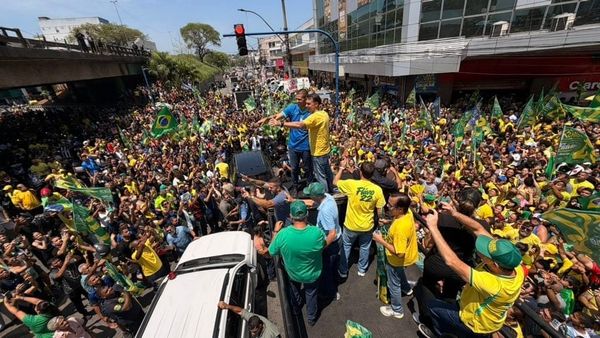
Is the move toward “conservative” governance in the Americas (the Western Hemisphere) a result of Trumpism, or is Trumpism a reflection of the anti-globalist, anti-government wave sweeping much of the world?

PERSONNEL

CULTURE, PSYCHOLOGY & MEDIA
Doubling down on an increasingly outdated ideological status quo while simultaneously failing to provide solutions to Britain’s rapidly deteriorating economic and social situation is only likely to further fan the flames of separatism and division.
GOVERNANCE & ELECTIONS
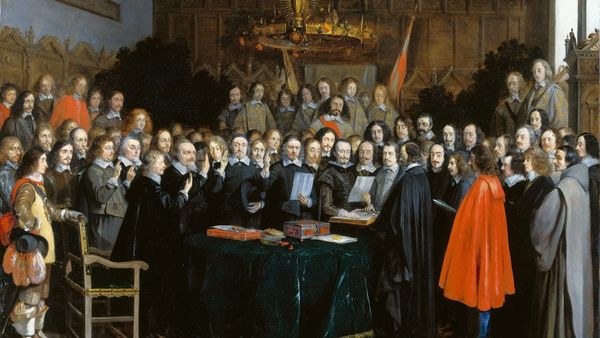
Could the growing schism between the societies which make up the nation-state and the state itself be at the core of the challenge to the 21st Century as populations now debate whether, and how, they can re-structure the Westphalian geopolitical matrix, perhaps one society at a time.
STRATEGY & INTELLIGENCE
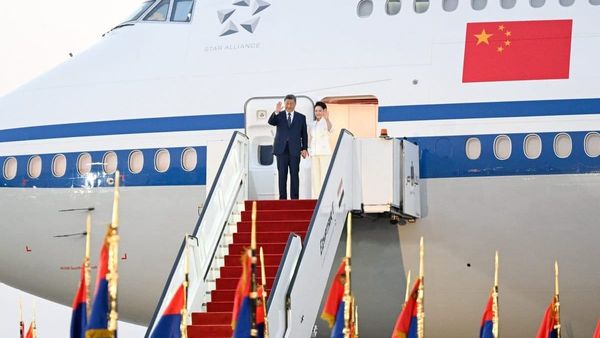
There is little logic — and much gambling — at play in all the conflicts now emerging.

DIPLOMACY, ALLIANCES & TREATIES
In an evolving period of transformation, exacerbated by US global initiatives, everything has changed, but nothing has been resolved.
GOVERNANCE & ELECTIONS
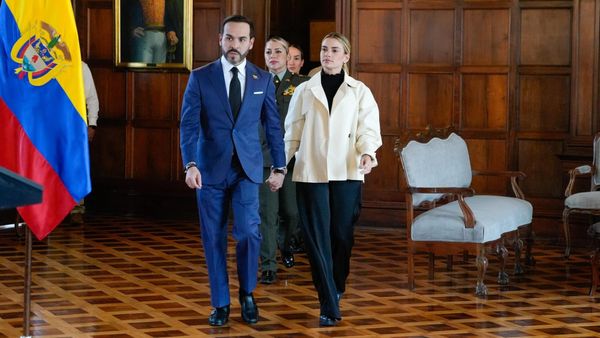
A trend toward moderate, pro-US governments is emerging in South America. Will it be enough to ensure President Trump’s desire for a Washington-dominated Western Hemisphere?

PERSONNEL
Equatorial Guinea Vice-President Teodoro Nguema Obiang Mangue said on June 16, 2026, that the Government of Prime Minister Manuel Osa Nsue Nsua had resigned after “failing to meet its objectives”.
STRATEGY & INTELLIGENCE
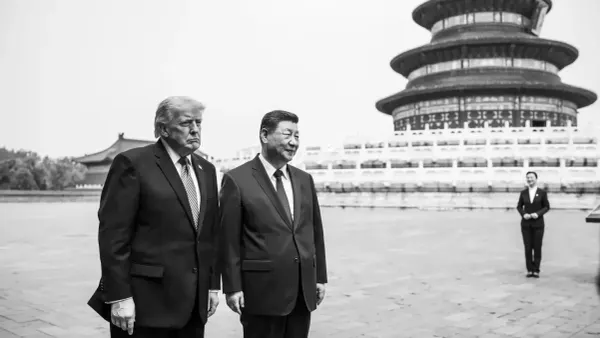
For the CCP — as with the Revolutionary Guard leaders in Tehran — the great victory would be to merely survive the Trump era.
SECURITY, UNREST & WAR
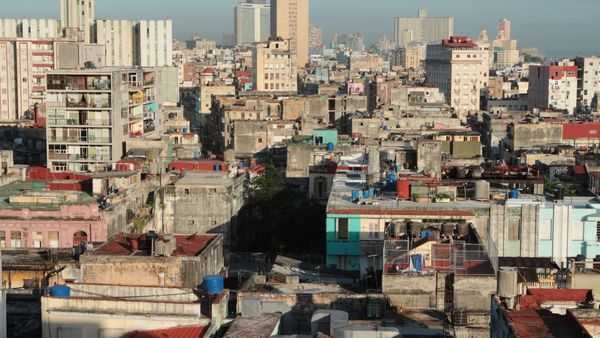
There can be no clarity in viewing the post-communist era in the Caribbean.
GOVERNANCE & ELECTIONS
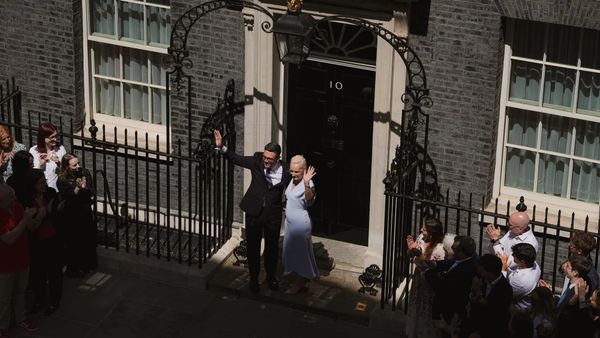
Burnham should be expected to have a brief “holiday” period before he is challenged by the opposition to call new elections, given that the Burnham Government had no mandate from the electorate.