When Will Cuba Collapse? And What Happens Then?
There can be no clarity in viewing the post-communist era in the Caribbean.

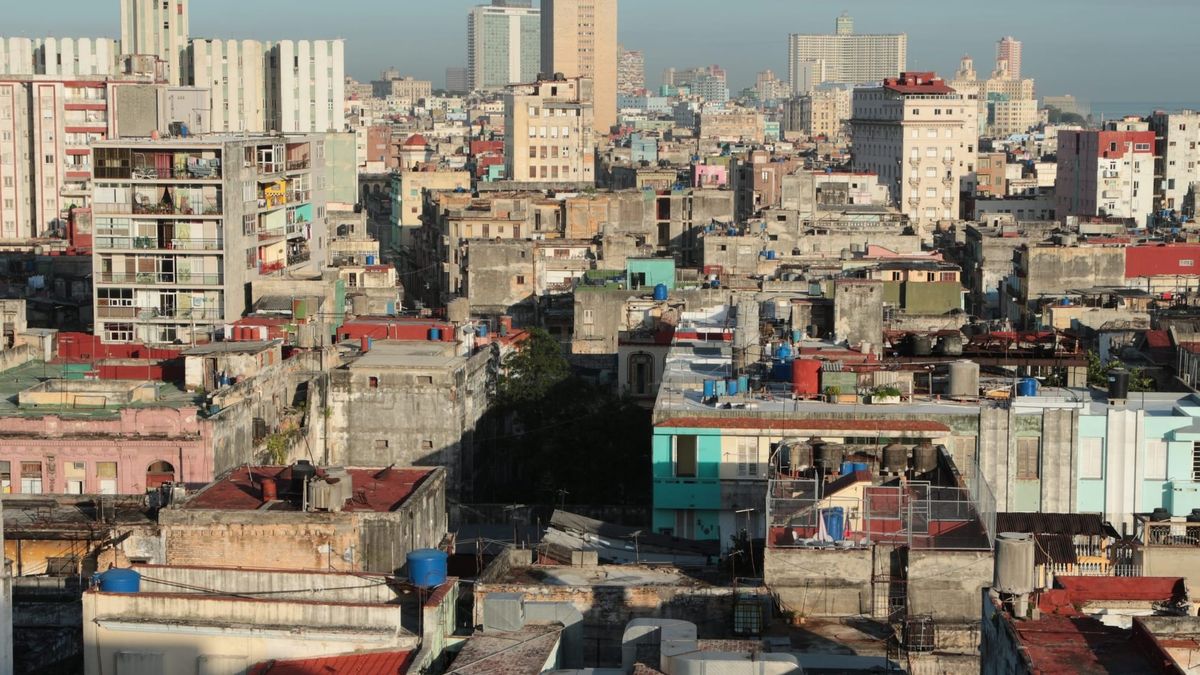
How soon will it be before the US makes its next move to increase pressure on the Cuban communist-castroite Government of President Miguel Díaz-Canel? Or will the gathering collapse of the Cuban economy determine the time and nature of change? It is not if the collapse will occur; it is when.
And what are the likely paths in the Caribbean and the Americas in a post-communist Cuba?
It is clear that, despite a significant degree of silence in Washington, DC, the “Cuba question” will reach a dénouement — although not a neat resolution — within 2026. From the US viewpoint, the question is whether to apply the extra pressure before or after the mid-term US Congressional elections in November 2026.
The more solid the position of the Republican Party of President Donald Trump, the more likely he may be to allow events to take their course in Cuba, delaying firm action until after those elections.
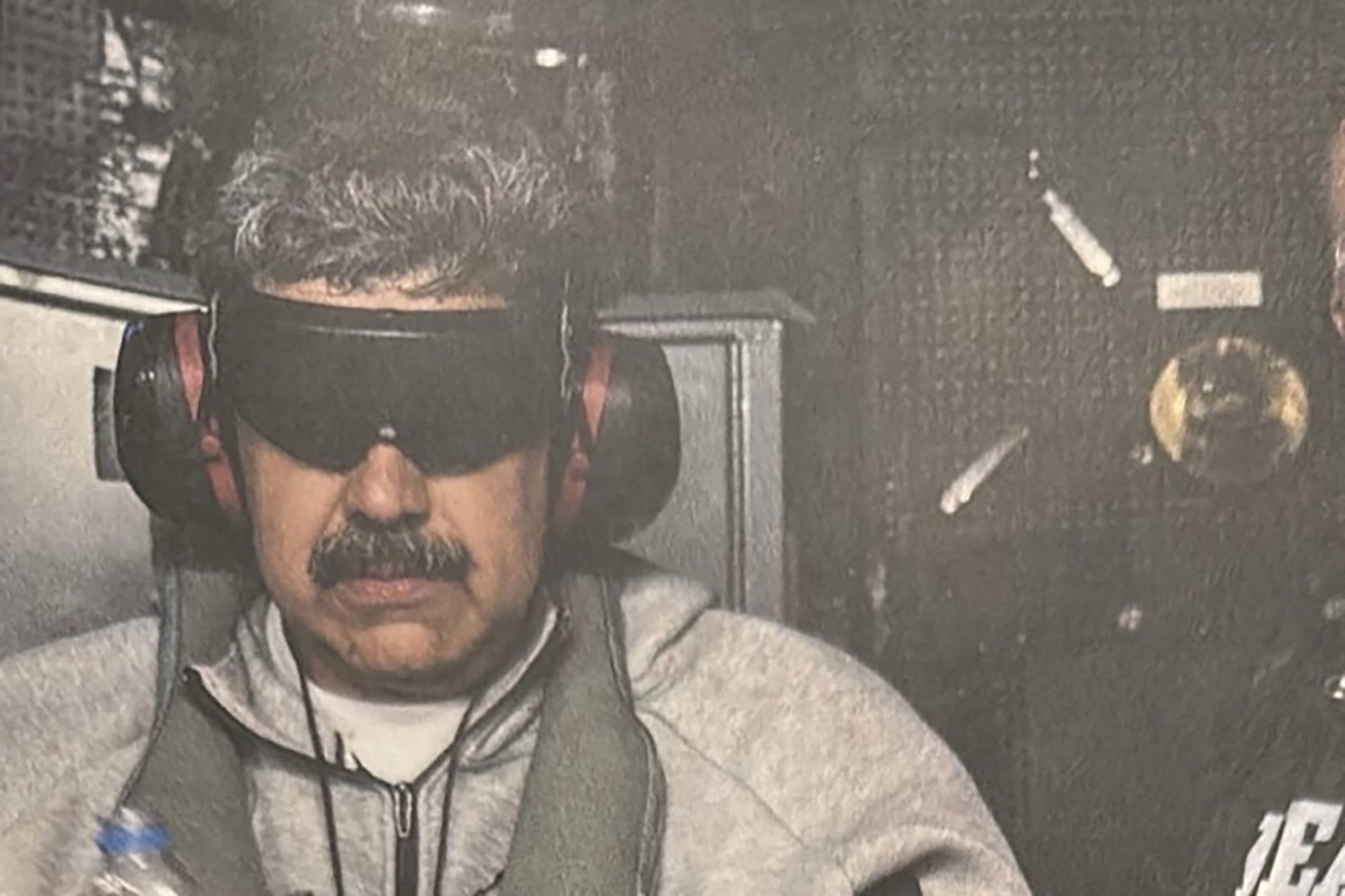
Regardless of the exact timing, the US has been “building a legal/political case” for decapitation of the Cuban leadership, in the same way it did with the removal of Venezuelan President Nicolás Maduro and his wife, Cilia Flores, on January 3, 2026.
Certainly, that is the type of confrontation expected by Sr Díaz-Canel and the Castro team under Raúl Castro. They have nowhere to go, in a sense, and have been threatening a military defense à la the Iranian Revolutionary Guard Corps in Iran.
The Cuban leadership seems to have signaled that it would “dig in and wait out the US” as the Iranian Revolutionary Guard leadership has done (or was attempting to do).
Cuban President Miguel Díaz-Canel said in an interview with Sky News of the UK July 2, 2026, that his country was prepared to resist any US military intervention, warning that Cubans would defend their sovereignty “to the very last drop of blood”. But to which Cubans did he refer who would expend their last drop of blood to defend Cuban sovereignty?
Cuba is not Iran, but the combined experiences of Venezuela and Iran have induced an element of caution and planning into the US approach to finally resolving the standoff between Cuba and the US which has existed since the Castro revolution in 1959.
It is possible that the US could propose the transformation of Cuba in ways which actually restores sovereignty to the Cuban society, and sidelining the prospect — offered by President Díaz-Canel — that Cuba would become merely a US colony.
US Secretary of State Marco Rubio has hinted at a very deliberative process on the part of the US, especially since the Cuban/Caribbean situation is of a strategic importance on a level with, or exceeding, the Iran conflict in which the US remains embroiled.
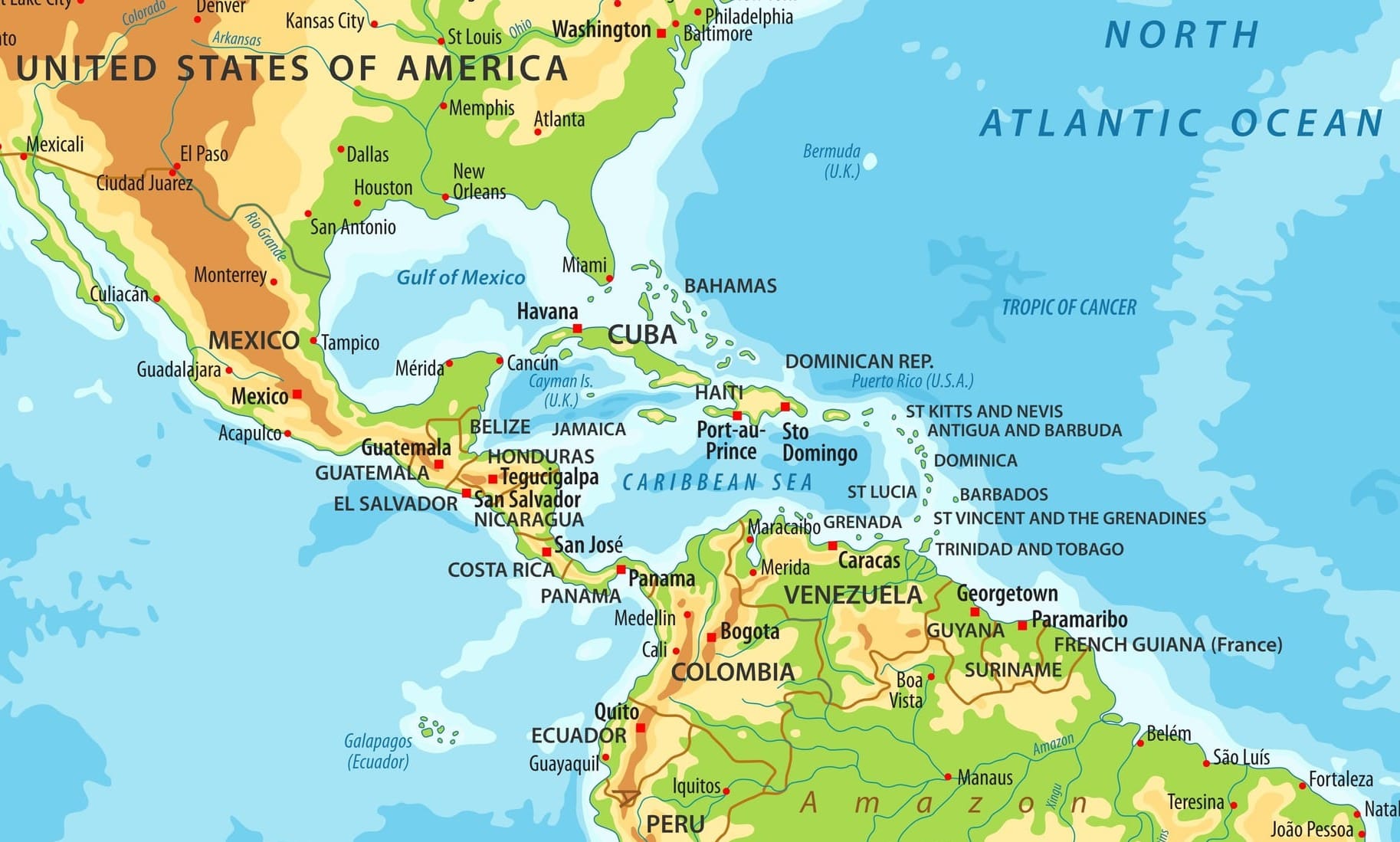
The importance of Cuba to the US is essentially because it is to Cuba that the People’s Republic of China (PRC) owes its dominance of the Caribbean basin, with subordinate operations running through the Commonwealth of Dominica.
But the PRC is presently poorly placed to assist in saving the Cuban Government, and therefore the Government of Dominica. If US President Trump is as determined as he appears to be in accusing the PRC of interference in US elections, then the PRC operations in the Caribbean have to be at the center of his concerns.
The State Visit by PRC and Chinese Communist Party leader Xi Jinping to the US on September 24, 2026 is a significant factor in determining whether the US will act against Cuba early, or wait until the visit has passed. A sudden move against before or during the Xi visit to the US — at the time of the United Nations General Assembly — could be critical in determining whether Xi’s embattled position in the Chinese communist leadership is more or less secure.
The question for the US, then, also remains one of whether to “complete” the Cuba takedown before there is any resolution of the Iranian conflict. But Mr Trump may not have the luxury of waiting for a resolution in Iran, given that the Cuba crisis has become a critical element in US influence in the entire Western Hemisphere, the US’s home ground.
Internally, the Cuban Government is visibly collapsing day-by-day.
Within recent weeks, some 85 foreign-owned major hotels in Cuba are reported to have closed down almost concurrently, given that tourism has gone from some 4.7-million visitors in 2018, to only 360,000 in the first five months of 2026
Water has run out to the point where Cuban Government tanker trucks have gone to villages to supply basic survival amounts of water, and, even then, it is not distributed to the people; it is being sold to them.
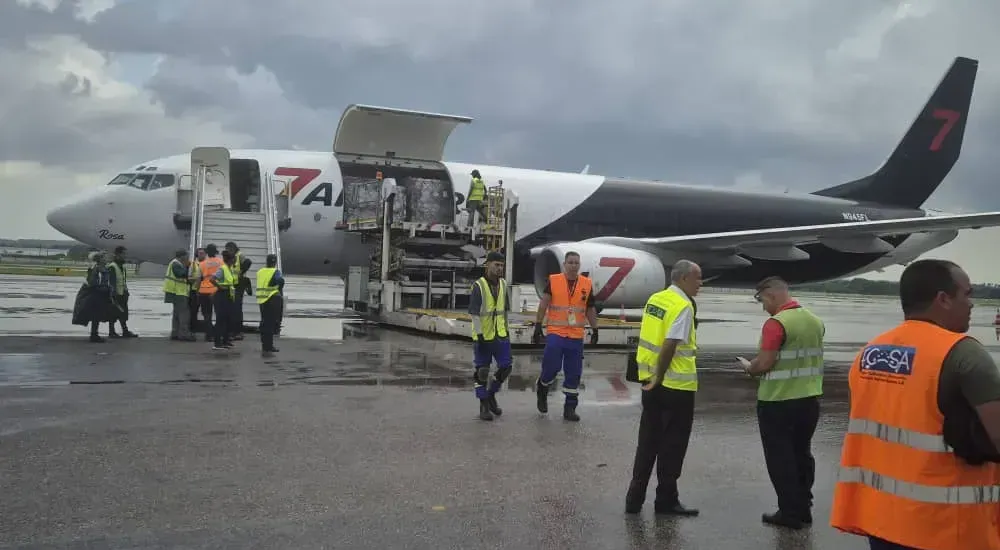
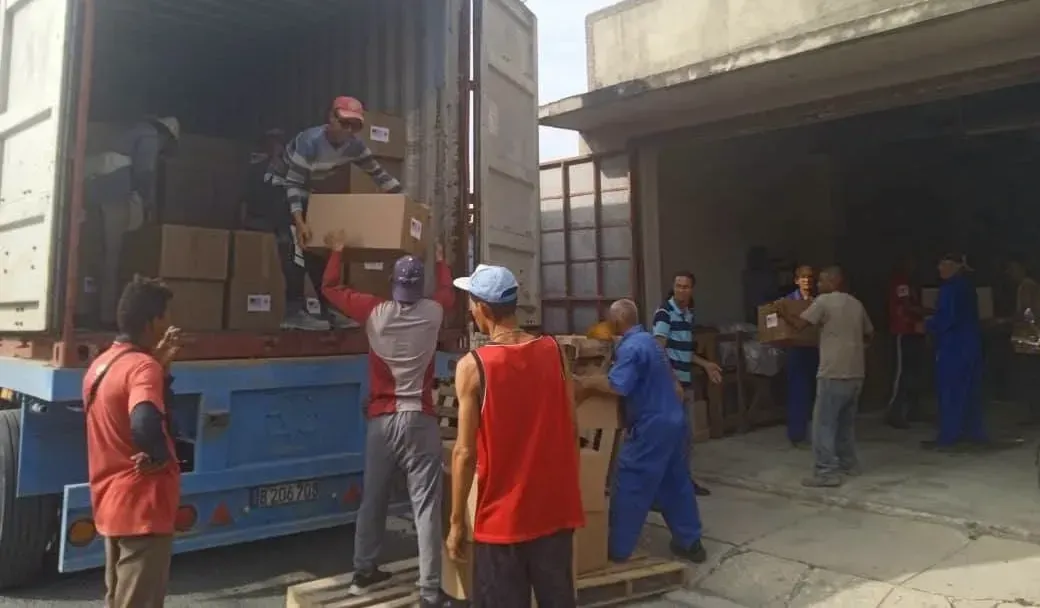
The small amounts of US humanitarian aid — too small to make a serious impact on the crisis — are being distributed via the Catholic Church in Cuba, to ensure that at least it reaches deserving people.
One of the fundamental questions being asked, then, is whether humanitarian and political purposes would be served best, as far as Washington is concerned, with a quick decapitation raid on the Government, or a slower, organic meltdown.
The latter option, however, would be facilitated by offering the leadership a way out; a safe haven, rather than arrest by the US on charges that they had violated US laws through narco-trafficking and a variety of other interferences in US society.
There is no evidence that such an escape clause would be favored by the Trump White House, given the decades in which Cuban intelligence (through DGI, Dirección General de Inteligencia) has successfully operated on its own account in the US, and as the “heavy lifters” in many respects for the Soviet intelligence agencies, and later Russian operations, and particularly for the various instruments of the Chinese Communist Party’s intelligence and political warfare units. DGI, in fact, remains the most powerful operational unit of the Cuban Government.
Cuban Allies in no Position to Help
The US State Department on July 20, 2026, released a 99-page report — entitled Cuba: The Capital of 21st Century Communism — following a strong speech by Secretary of State Rubio on July 16, 2026. Much of the report spells out what US analysts have known in the years since 1959, and begs the question as to why the US Government had not acted sooner to resolve its dispute with Havana.
But the real answer to that lies in the fact that Cuba’s historical allies and benefactors — Moscow, Beijing, Tehran, Caracas, and so on — are at present in no condition to prevent US pressure.
The collapse of the Soviet Union in 1990-91 meant that Cuba attempted to become the center for global communist thought, perhaps in parallel with the PRC, and creating a concept of “decolonializing” the global marxist-leninist movement.
But, increasingly, there was no-one able to fund this to the point where Havana could make a global impression on its own, without Soviet help. Beijing wanted Havana to continue to be a communist subcontractor, moving from Soviet dependence to PRC dependence.
The question now, however, is about the timing of the collapse of Cuban communism (and even Cuban or PRC officials cannot adequately describe what “communism” is, other than obeisance to the Communist Party). So what happens with the collapse of the present Cuban Government?
Will the US immediately supply economic and humanitarian aid to the Cuban society? The visibility of US aid to the Venezuelan population in the wake of the January 3, 2026, removal of Nicolás Maduro from power has been negligible.
Moreover, despite the huge cost (possibly some $5-billion) of the US Operation Southern Spear to reduce Venezuela (and other) origin narco-trafficking into the US, the impact on the illicit narcotics market in the US has not been decisive. The question remains as to what the impact on that trade could be if the Cuban Government was itself removed from the political-economic equation of narco-trafficking?
The US, significantly, does not want to immediately absorb the economic burden of saving the Cuban society from its present condition of starvation. It cannot immediately afford to open US borders to Cubans who wish to join their families already in the US. Washington would have to offload some of the responsibility for re-investment in Cuba to other states. The Europeans are poorly placed at present to invest massively in a Cuban recovery.
Cuban sources within the US Cuban expatriate population, developed over the past 65 years, have indicated that most of the immediate funds which would be invested in Cuban reconstruction would, or could, come from the expatriate private sector.
It is already a rich community, but it would need a stable transitional administration to ensure that there would be security of tenure on properties, and social stability and security. Most Cubans alive today in Cuba have never experienced a market economy, and an initial social problem would be how this could be introduced without shock. Russian emigrés to Israel in the 1980s and 1990s often faced a similar dilemma; their response was to sit and wait to be told what to do.
It would not be a five-minute fix
Canada, historically, has had an oversized influence in the Caribbean since the 1700s, and would almost certainly be at the forefront of a Cuban economic revival. But does Washington want that? Canada has, since 2025, been moving toward a far more independent strategic policy from the US than Washington had anticipated.
But what is clear to regional observers, particularly in the Western Hemisphere, is the doctrine of “you broke it; you own it”. This is partly why Washington refrained from making Venezuela over in the US image when it removed Maduro as head-of-state.
Who Takes Over?
What is unclear is whether the US has a “second tier” of Cuban potential leadership in mind, or in preparation, to take office after the collapse of the Communist Party of Cuba. This must be at the forefront of US thinking as the pressure has been escalated against the present Cuban leadership.
The impact on the region of a Cuban full collapse — now being watched in real time — cannot be underestimated. Mexico, in particular, should be expected to take a major interest in a post-communist Cuba, and remains wary of a revival of unfettered US operations in the Caribbean. The United Kingdom, too, should be expected to take a position, although its present internal challenges would limit the rôle of London or the Commonwealth.
It should be expected that the downfall of the Cuban Government, which would imply a curtailment of much of the PRC’s dominant influence in the Caribbean Basin, would undermine the Government of Roosevelt Skerrit in Dominica, and the UK could be expected — along with the large Dominican expatriate community which has prospered in the US — to attempt to fill the gap there.
What seems clear is that there can be no clarity in viewing the post-communist era in the Caribbean. But can the US afford to shrink from this major task, even with its commitments to the Iran war, and resolving its issues in Europe?